Blog

The Ultimate Guide to Blocked Drains in Newcastle: Causes, Warning Signs & How to Prevent Costly Plumbing Emergencies

blocked drain guide

If you’ve ever stood ankle-deep in shower water or watched your kitchen sink refuse to drain, you’re not alone. Blocked drains are one of the most common plumbing issues faced by homeowners across Newcastle. While a slow-draining sink might seem like a minor inconvenience, ignoring the problem can lead to overflowing drains, unpleasant odours, burst pipes, water damage, and expensive repairs. 

Whether you live in Merewether, Charlestown, Kotara, Hamilton, Warners Bay, Maitland, or anywhere across the Newcastle region, understanding why drains become blocked and what you can do about it can save you time, money, and stress. 

This guide covers everything Newcastle homeowners need to know about blocked drains, including the most common causes, warning signs, prevention tips, and when it’s time to call a professional plumber.

Why Blocked Drains Are So Common in Newcastle

Newcastle has a mix of older suburbs with ageing pipework and newer developments with modern plumbing systems. While both have their advantages, each presents unique drainage challenges.

Older homes often have:

  • Clay sewer pipes
  • Cracked underground drainage
  • Tree root intrusion
  • Years of grease and sediment buildup
 

Newer homes typically experience:

  • Construction debris left in pipes
  • Poor installation practices
  • Heavy use of modern kitchens and bathrooms
  • Flushing unsuitable products down toilets
 

The region’s large native trees, changing weather conditions, and occasional heavy rainfall also increase the likelihood of drainage issues.

The Most Common Causes of Blocked Drains

Understanding what’s causing the blockage helps determine the best solution.

1. Tree Roots

Tree roots are among the biggest causes of blocked sewer drains throughout Newcastle.

Roots naturally seek moisture. Even the smallest crack in an underground pipe can attract roots, which continue growing until they completely block the pipe.

Signs include:

  • Multiple drains are backing up
  • Gurgling toilets
  • Sewage smells outdoors
  • Recurring blockages

Older suburbs with mature trees are particularly susceptible.

2. Cooking Grease and Fat

Many people pour hot grease down the kitchen sink thinking it will simply wash away.

Unfortunately, grease cools quickly inside pipes where it hardens and traps:

  • Food scraps
  • Coffee grounds
  • Soap residue
  • Dirt

Over time this creates a thick blockage that gradually restricts water flow.

3. Hair and Soap Scum

Bathroom drains frequently become clogged by:

  • Hair
  • Soap residue
  • Shampoo buildup
  • Mineral deposits

Hair wraps around the inside of pipes while soap sticks to it, creating a stubborn blockage that worsens over time.

4. Wet Wipes and Sanitary Products

Many products labelled as “flushable” don’t actually break down like toilet paper.

Common culprits include:

  • Baby wipes
  • Cleaning wipes
  • Paper towels
  • Cotton buds
  • Sanitary products
  • Nappies

These materials can become lodged in pipes, creating significant sewer blockages.

5. Foreign Objects

Children’s toys, jewellery, excessive toilet paper, food packaging, and accidental debris can all become trapped inside drainage systems.

Sometimes the blockage occurs immediately, while other times debris slowly accumulates until water can no longer pass through.


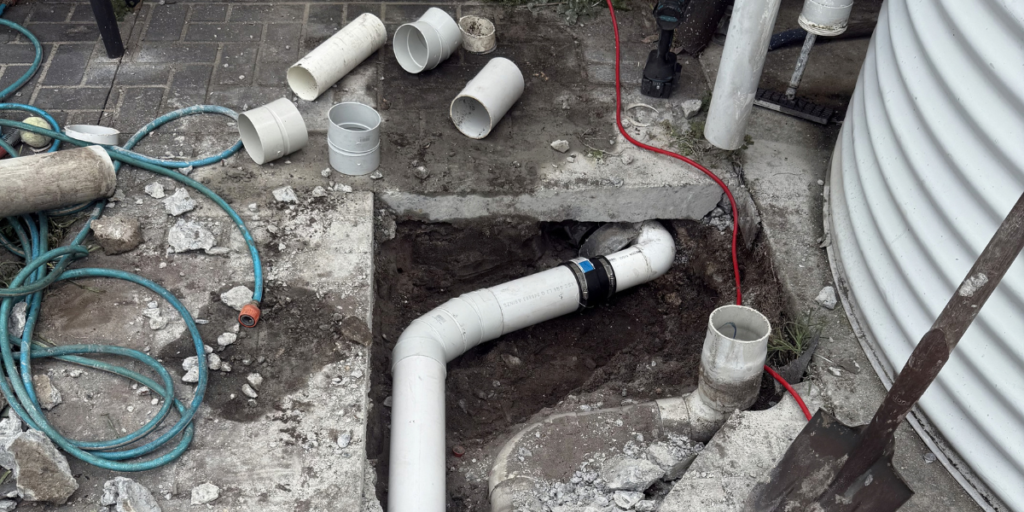
6. Broken or Collapsed Pipes

Older clay pipes eventually deteriorate.

Common issues include:

  • Pipe collapse
  • Ground movement
  • Corrosion
  • Joint separation
  • Cracking

Structural damage usually requires more than simply clearing the blockage.

Early Warning Signs Your Drain Is Becoming Blocked

Most serious plumbing emergencies don’t happen overnight. Watch for these warning signs:

1. Slow Draining Water

Water taking longer than usual to drain is often the first indication of a developing blockage.

2. Gurgling Noises

Strange bubbling or gurgling sounds usually indicate trapped air caused by restricted water flow.

You may hear these sounds from:

  • Toilets
  • Bathroom sinks
  • Kitchen sinks
  • Shower drains

3. Unpleasant Smells

Bad odours often develop when food waste, grease or sewage begins collecting inside pipes.

Persistent smells should never be ignored.

4. Water Backing Up

If flushing the toilet causes water to rise in another drain, or water backs into the shower, there may be a blockage in the main sewer line.

5. Overflowing Outdoor Drains

Pooling water around outdoor drainage pits after normal household use often indicates an underground blockage.

Can You Clear a Blocked Drain Yourself?

Sometimes. Minor blockages close to the drain opening can often be removed safely.

You can try:

  • A plunger
  • Removing visible hair
  • Pouring hot water (not boiling) through the greasy kitchen drains
  • Cleaning sink traps
 

However, avoid relying on harsh chemical drain cleaners.

Many products are sold in supermarkets:

  • Damage older pipes
  • Harm seals
  • Create hazardous fumes
  • Fail to remove the actual blockage
 

If the blockage keeps returning, the underlying problem hasn’t been solved.

Professional Drain Clearing Methods

Professional plumbers use specialised equipment that removes the blockage without damaging your plumbing.

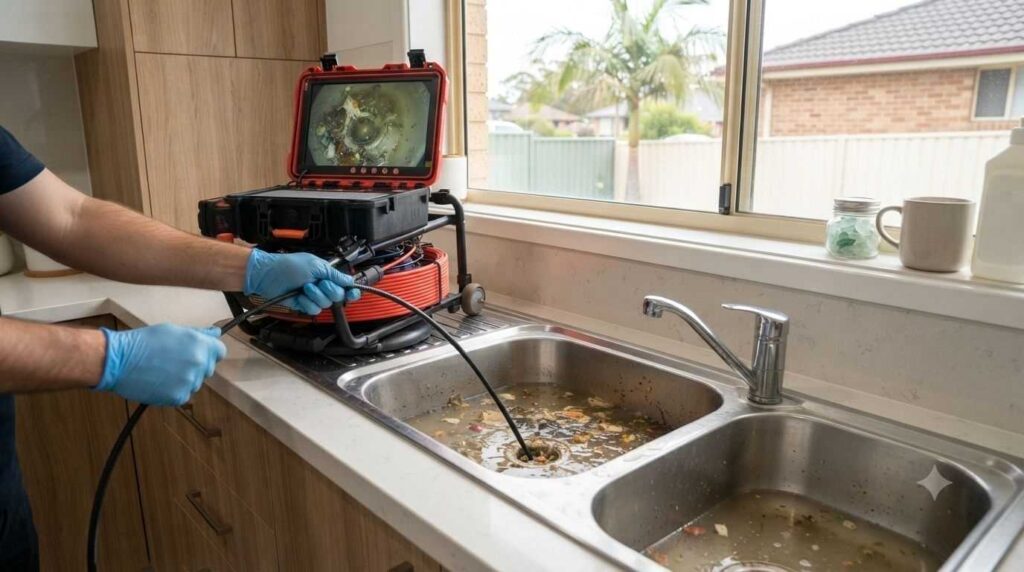
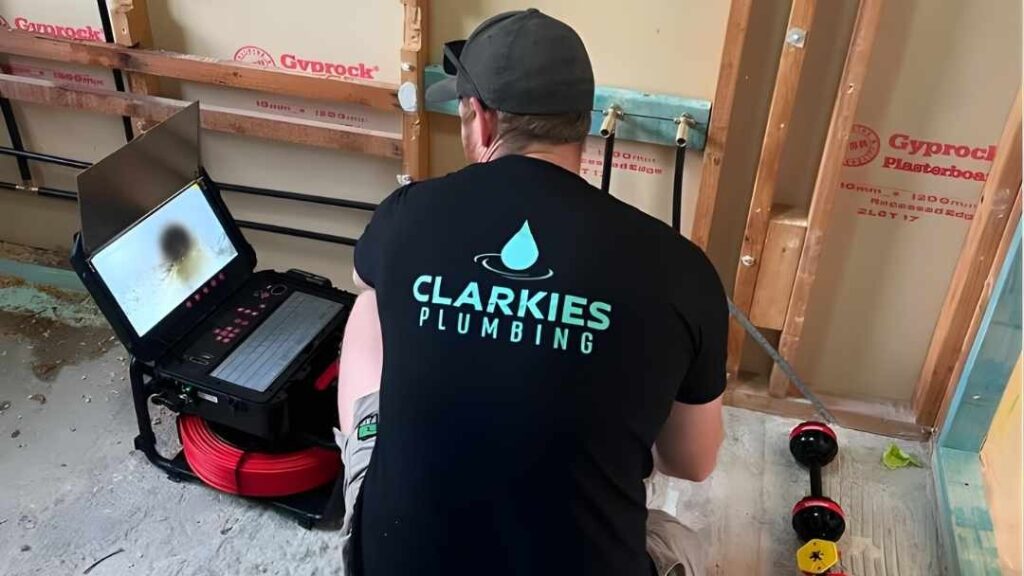
CCTV Drain Camera Inspections

Modern drain cameras allow plumbers to inspect inside pipes without excavation.

A high-definition waterproof camera identifies:

  • Tree roots
  • Broken pipes
  • Grease buildup
  • Pipe misalignment
  • Foreign objects

This eliminates guesswork and allows targeted repairs.

High-Pressure Water Jetting

High-pressure water jetting is one of the most effective ways to clear blocked drains.

Unlike old drain snakes that simply punch a hole through the blockage, water jetting completely cleans the pipe walls.

It removes:

  • Grease
  • Tree roots
  • Sludge
  • Sand
  • Soap buildup
  • Organic material

The result is a cleaner pipe with improved water flow.

Mechanical Drain Machines

For stubborn blockages, plumbers may use specialised drain cleaning machines with cutting heads designed to remove roots and compact debris.

Why Blocked Drains Keep Coming Back

Recurring blockages usually indicate a deeper issue.

Common reasons include:

  • Tree root regrowth: If roots are only partially removed, they’ll quickly return.
  • Pipe damage: Cracks and broken joints continue catching debris.
  • Grease buildup: Even after clearing a blockage, grease remaining on pipe walls encourages new blockages.
  • Incorrect pipe fall: Poor drainage design allows waste to settle instead of flowing freely.


A professional inspection identifies the true cause rather than simply treating the symptoms.

How to Prevent Blocked Drains

Preventative plumbing maintenance is far cheaper than emergency plumbing.

Follow these simple habits.

In the Kitchen

  • Never pour cooking fat down the sink.
  • Scrape food scraps into the bin.
  • Use sink strainers.
  • Avoid washing coffee grounds into the drain.

In the Bathroom

  • Install hair catchers.
  • Regularly remove trapped hair.
  • Avoid flushing cotton buds or wipes.

In the Laundry

  • Clean lint filters.
  • Avoid excessive detergent use.
  • Check washing machine hoses regularly.

Outdoors

  • Keep leaves away from stormwater grates.
  • Trim tree roots near underground pipes.
  • Schedule periodic drain inspections for older homes.

When Should You Call a Plumber?

Contact a licensed plumber if:

  • Multiple drains block simultaneously
  • Toilets overflow
  • Water backs into showers
  • Bad smells persist
  • DIY plumbing methods fail
  • Blockages return frequently
  • Outdoor drains overflow
  • You suspect tree root damage

Prompt action usually prevents much larger repair bills.

Why CCTV Drain Inspections Save Money

Many homeowners hesitate to book a drain inspection because they assume it’s an unnecessary expense.

In reality, a camera inspection often saves money by identifying the exact problem before major damage occurs.

Instead of digging blindly, plumbers can pinpoint:

  • The blockage location
  • Pipe condition
  • Root intrusion
  • Structural damage
  • Whether repairs are actually needed

This reduces labour costs and avoids unnecessary excavation.

Frequently Asked Questions

What causes blocked drains in Newcastle?

The most common causes include tree roots, grease buildup, hair, food waste, wet wipes, foreign objects, and ageing underground pipes.

Are chemical drain cleaners safe?

They may provide temporary relief for minor blockages, but frequent use can damage plumbing and rarely solves the underlying problem.

How much does professional drain clearing cost?

Costs vary depending on the blockage, equipment required, and whether a CCTV inspection or high-pressure water jetting is needed. Addressing problems early is generally far less expensive than emergency repairs.

Can tree roots really break pipes?

Yes. Tree roots naturally grow towards moisture. Even tiny cracks allow roots to enter pipes, where they expand and eventually cause severe blockages or structural damage.

How often should drains be inspected?

Far far away, behind the word mountains, far from the countries Vokalia and Consonantia, there live the blind texts. Separated they live in Bookmarksgrove right at the coast

Why Choose a Newcastle Plumber for Blocked Drains?

Blocked drains often point to a bigger issue than a simple clog. An experienced Newcastle plumber can accurately identify the cause using advanced tools like CCTV drain cameras and high-pressure water jetting, helping prevent recurring problems and unnecessary repair costs.

Need Fast Blocked Drain Repairs in Newcastle?

Whether you’re dealing with slow drains, overflowing toilets, bad odours, or recurring blockages, our Newcastle plumbing team is ready to help. We provide fast, reliable blocked drain solutions using the latest equipment to get your plumbing flowing again.

Don’t let a blocked drain turn into a costly plumbing emergency. Contact our Newcastle plumbers today for prompt, professional service.